

Talc Baby Powder & Ovarian Cancer Lawsuits
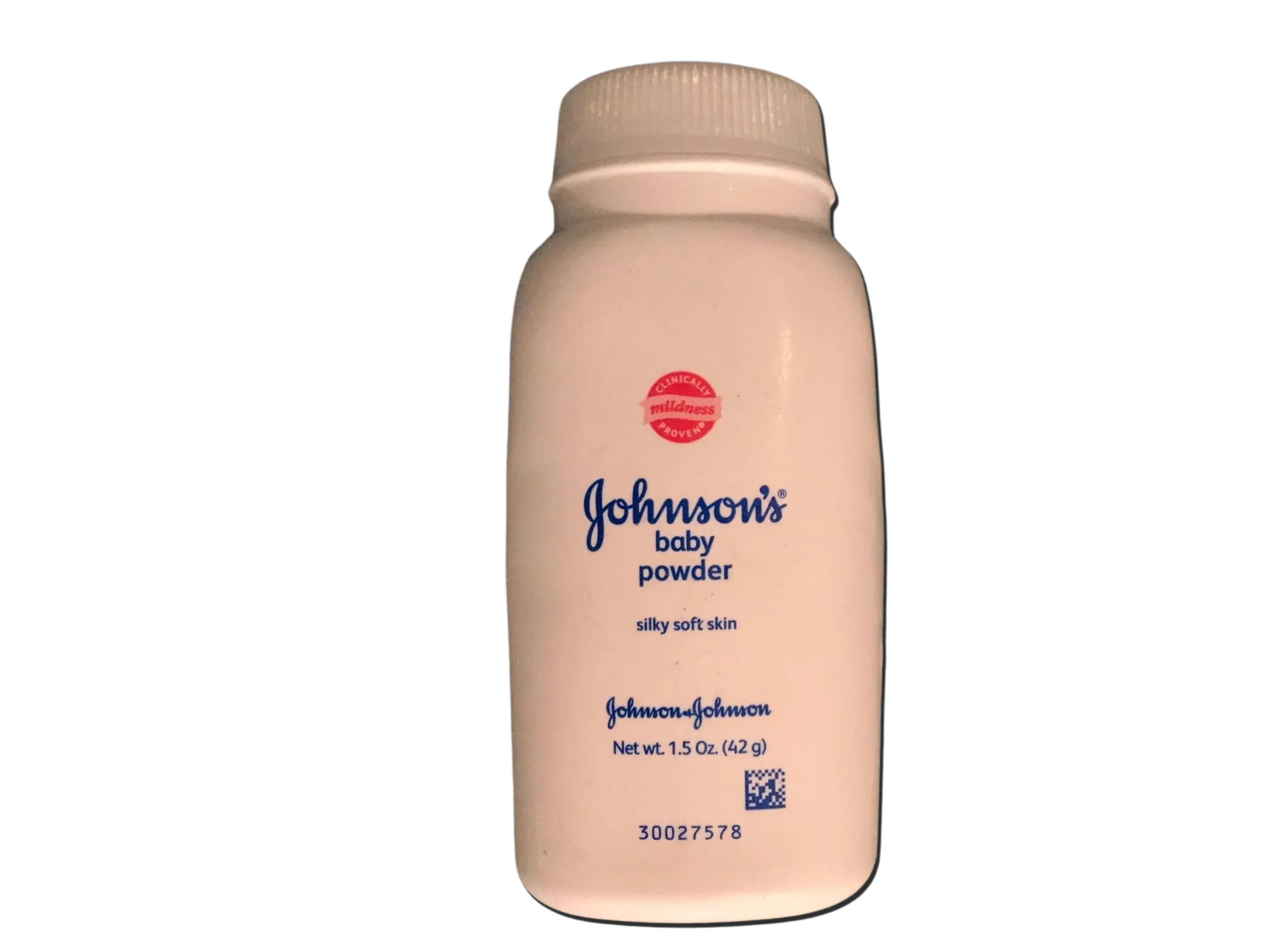
Johnson & Johnson's talc-based baby powder has been linked to ovarian cancer. Decades of internal documents show the company knew — and said nothing.
The Johnson & Johnson Talc Scandal
For more than 50 years, Johnson & Johnson marketed its iconic baby powder as safe and gentle. Internal company documents — many of which only came to light through litigation — reveal that J&J scientists detected asbestos in its talc supply as far back as the 1970s and that company executives worked to conceal those findings from regulators and the public.
Scientific research has established a link between perineal use of talc-based powder — applied to the genital area for hygiene — and an elevated risk of ovarian cancer. Juries across the country have returned multi-billion dollar verdicts against Johnson & Johnson, and the company has faced tens of thousands of lawsuits from women and their families. Despite discontinuing its talc-based baby powder in North America in 2020, J&J continues to face litigation for decades of prior sales.
How Talc Is Linked to Ovarian Cancer
Talc particles applied to the perineal area can travel through the reproductive tract and become embedded in ovarian tissue. Once there, the particles can trigger chronic inflammation — a known driver of cancer development. Studies have found that women who regularly used talcum powder for feminine hygiene had a 20 to 30 percent higher risk of developing ovarian cancer compared to non-users.
The risk is compounded by the presence of asbestos, a known carcinogen, which has been detected in samples of J&J's talc. Asbestos-contaminated talc has also been linked to mesothelioma, a rare and aggressive cancer of the lining of the lungs and abdomen.
Conditions Linked to Talc Exposure
Ovarian Cancer
The most extensively litigated harm. Regular perineal use of talc-based powder has been associated with a significantly elevated risk of epithelial ovarian cancer in multiple epidemiological studies.
Fallopian Tube Cancer
Talc particles can migrate through the reproductive tract and have been found embedded in fallopian tube tissue, with associated cancer risk documented in research literature.
Peritoneal Cancer
Primary peritoneal cancer — which arises from the lining of the abdominal cavity — shares risk factors with ovarian cancer and has been associated with talc exposure in some studies.
Mesothelioma
Asbestos contamination in talc has been linked to mesothelioma, a rare and aggressive cancer affecting the lining of the lungs, abdomen, or heart. Mesothelioma has a long latency period of 20 to 50 years.
Endometrial Cancer
Some research has identified associations between talc use and endometrial cancer, particularly in post-menopausal women who used talc-based products for extended periods.
Uterine Cancer
Emerging research continues to examine the relationship between talc exposure and uterine cancer, particularly in women with a history of long-term perineal talc use.
Who May Have a Claim?
You may qualify for a claim if you regularly used Johnson & Johnson's talc-based baby powder or Shower to Shower powder for perineal hygiene and have been diagnosed with ovarian cancer, fallopian tube cancer, peritoneal cancer, or mesothelioma. Claims may also be available to women who used other talc-containing products from different manufacturers.
Johnson & Johnson has attempted to use bankruptcy proceedings to limit its liability, but courts have pushed back on these maneuvers and litigation continues. Our attorneys are actively filing claims and can advise you on the current status of the litigation, your eligibility, and the deadlines that apply in your state.
Read more of our research and legal strategies with the lawsuit on our blog.
Free, Confidential Consultation
If you or a loved one regularly used talc-based baby powder and have been diagnosed with ovarian cancer or another related condition, contact us today. Our attorneys will review your case at no cost. There is no fee unless we recover compensation on your behalf.
Contact Us Today